A paper card still has one job - survive the handoff long enough to matter. Too often, it does not. It gets tucked into a pocket, left on a desk, or lost after a conference, tournament, or client meeting. That is why more professionals are actively looking at digital business card alternatives that do more than display contact details. They want faster follow-up, stronger presentation, and a tool that reflects who they are.
The real question is not whether paper is fading. It is which replacement fits the way you actually build relationships. Some options are built for speed. Others are built for brand control. A few create a stronger physical impression while still moving the conversation into a digital channel. That difference matters.
What makes a strong digital business card alternative
A good replacement should handle three things at once. It should make sharing easy in the moment, make your information useful after the interaction, and leave an impression that matches your professional standard.
That is where many tools fall short. Some are convenient but forgettable. Others look polished but create too much friction. If someone has to download an app, search for your profile later, or manually retype your details, you have already lost momentum.
The best digital business card alternatives reduce that friction. They let someone act immediately - save your information, visit a landing page, book a meeting, review your work, or remember exactly who you were. For professionals who network in person, especially in settings where presentation matters, the physical part of the exchange still carries weight.
1. QR-based physical networking tools
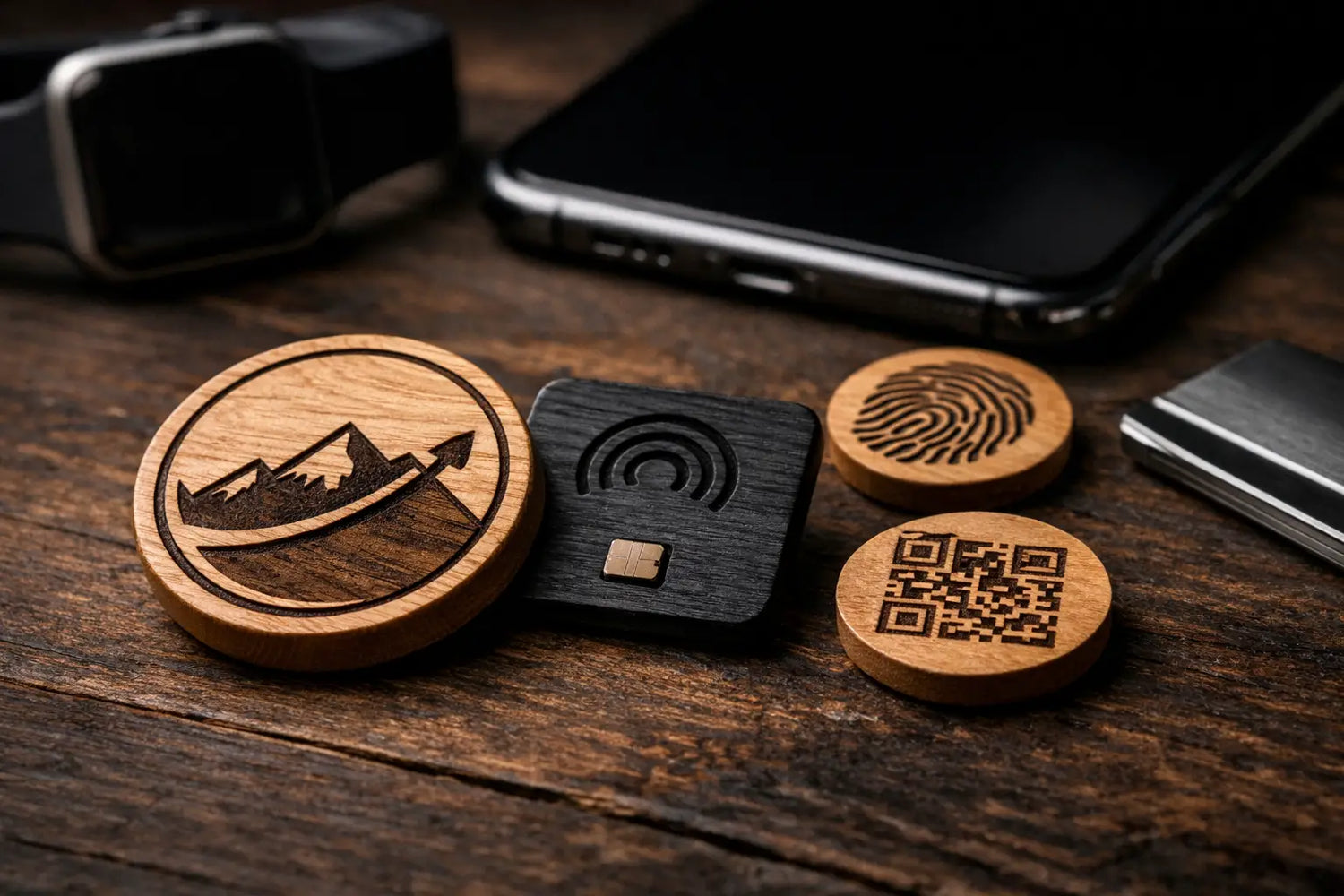
This is one of the most effective options because it bridges both worlds. You hand someone a physical item with presence, and a quick phone scan opens your digital destination instantly. No typing. No app. No delay.
For professionals who spend time on the golf course, at association events, in conferences, or in client-facing environments, this format has a clear advantage. It keeps the ritual of an in-person exchange, but it removes the limitations of print. Your contact can land on a profile page, portfolio, booking link, lead form, or brand introduction in seconds.
A well-executed QR tool also holds up better over time than paper. When it is precision-crafted and designed for repeated use, it becomes part of your professional kit instead of a one-time leave-behind. That is a meaningful distinction. A networking tool should not feel disposable if your brand is not.
For some audiences, this is the strongest answer among digital business card alternatives because it combines efficiency with symbolism. It says you take connection seriously.
2. Personal landing pages
A personal landing page is often the digital backbone behind a modern contact exchange. Instead of handing over a phone number and hoping for a follow-up, you direct someone to a single destination built around your identity and next step.
That page can include your contact information, company role, scheduling link, social proof, portfolio samples, and a short message about what you do. The advantage is control. You are not limited to the cramped format of a traditional card, and you can update details without reprinting anything.
Still, a landing page on its own is not always enough. It needs a strong delivery method. If the other person has to remember your name, search for you later, or dig through emails, response rates can slip. The landing page works best when paired with something immediate, like a QR-enabled exchange in person.
3. Email signatures as a contact hub
An email signature is one of the most overlooked alternatives because it already lives inside a channel professionals use every day. A disciplined, well-built signature can function like a lightweight digital card with your title, contact details, website, scheduler, and a focused brand statement.
Its strength is timing. When someone already has your email, the signature makes it easy for them to take the next step without asking for more information. It is also easy to maintain across teams, which matters for companies that want consistent presentation.
The trade-off is obvious. It is not built for first contact in a room, at a tee box, or during a handshake after a meeting. It supports relationships already in motion. It rarely creates a memorable introduction by itself.
4. LinkedIn profile sharing
For many professionals, LinkedIn is the default digital identity layer. It is easy to share, familiar to business audiences, and useful for validating role, experience, and mutual connections.
As one of the more common digital business card alternatives, it works well in industries where people naturally continue the relationship on-platform. Recruiters, consultants, sales teams, and founders often benefit from that built-in credibility.
But LinkedIn is still borrowed ground. You do not fully control the environment, the layout, or what competing distractions appear around your profile. It also assumes your audience wants to connect there. That is not always true in event, golf, nonprofit, association, or local business settings where a direct contact page may be more useful.
5. Apple Wallet or mobile contact cards
Wallet-based contact cards and native phone contact sharing tools appeal to professionals who want speed and simplicity. They are easy to carry because they live on the device already in your hand, and they can help transfer basic details quickly.
This option works best when both parties are comfortable with mobile-first interactions. In fast-moving environments, that can be enough. A quick exchange beats a forgotten stack of paper.
The weakness is presentation. These tools are functional, but they are not especially distinctive. They rarely communicate brand character, craftsmanship, or the kind of identity-driven impression that matters in premium networking environments. If your brand depends on memorable execution, utility alone may come up short.
6. Portfolio or bio pages
For creatives, consultants, speakers, and founders, a portfolio or bio page can outperform a standard digital card. Instead of just saying who you are, it proves what you do. That can shorten the path from introduction to interest.
This is especially useful when your work needs context. If your value is visual, strategic, or reputation-based, a richer page can carry more weight than a simple contact profile. It gives prospects something to evaluate right away.
There is a trade-off, though. A portfolio page can be too much for some situations. Not every interaction calls for a full body of work. Sometimes the strongest move is a cleaner contact destination with one clear next step.
7. QR-enabled keepsakes and recognition pieces
This category deserves separate attention because it solves a different problem. Many digital tools share information. Fewer create a lasting professional impression.
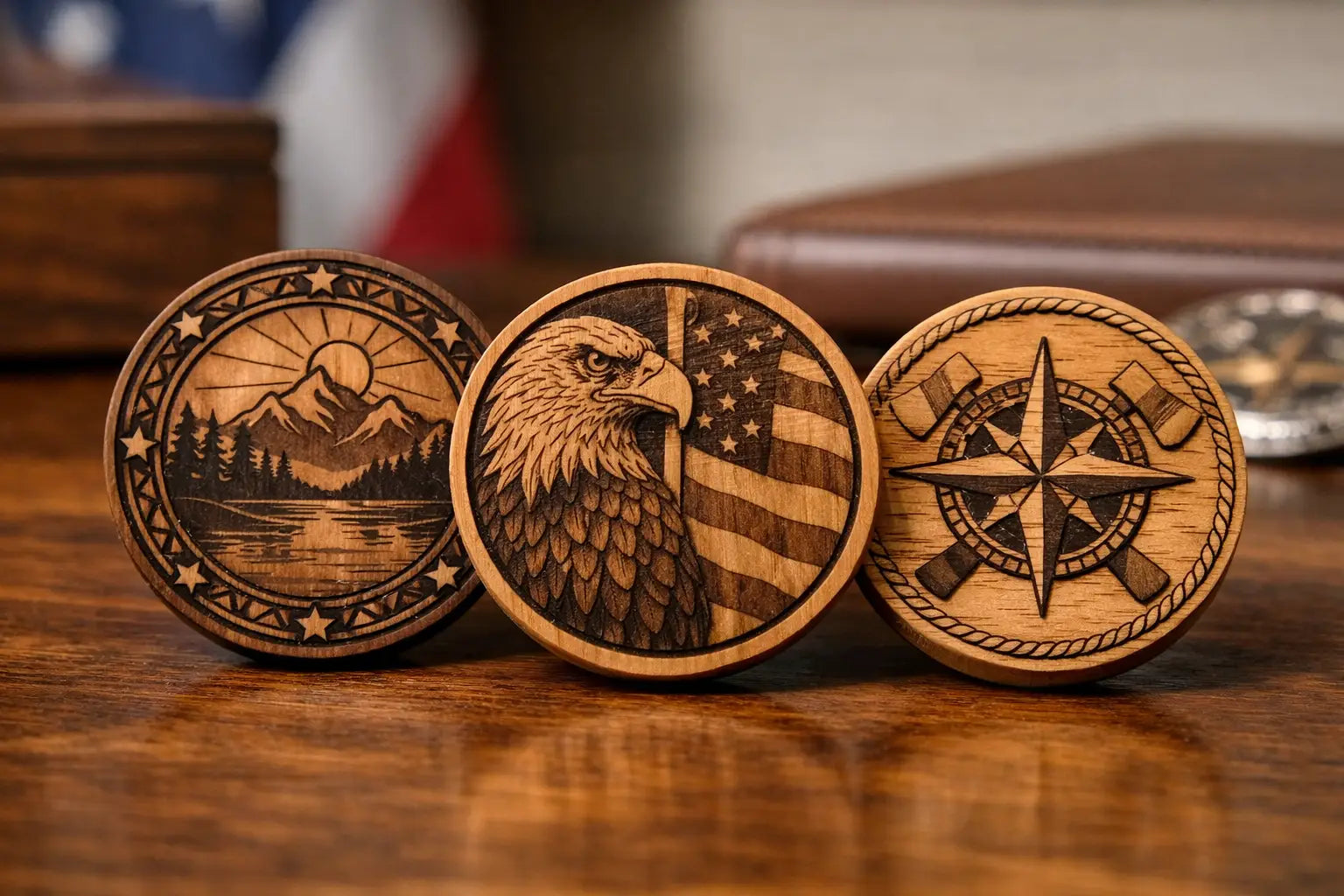
A QR-enabled keepsake combines a physical object worth holding onto with a digital action worth taking. In the right format, it becomes more than a card replacement. It becomes a marker of identity, recognition, and intent. That matters for executives, entrepreneurs, veterans, golf professionals, event organizers, and organizations that want their networking tools to reflect a higher standard.
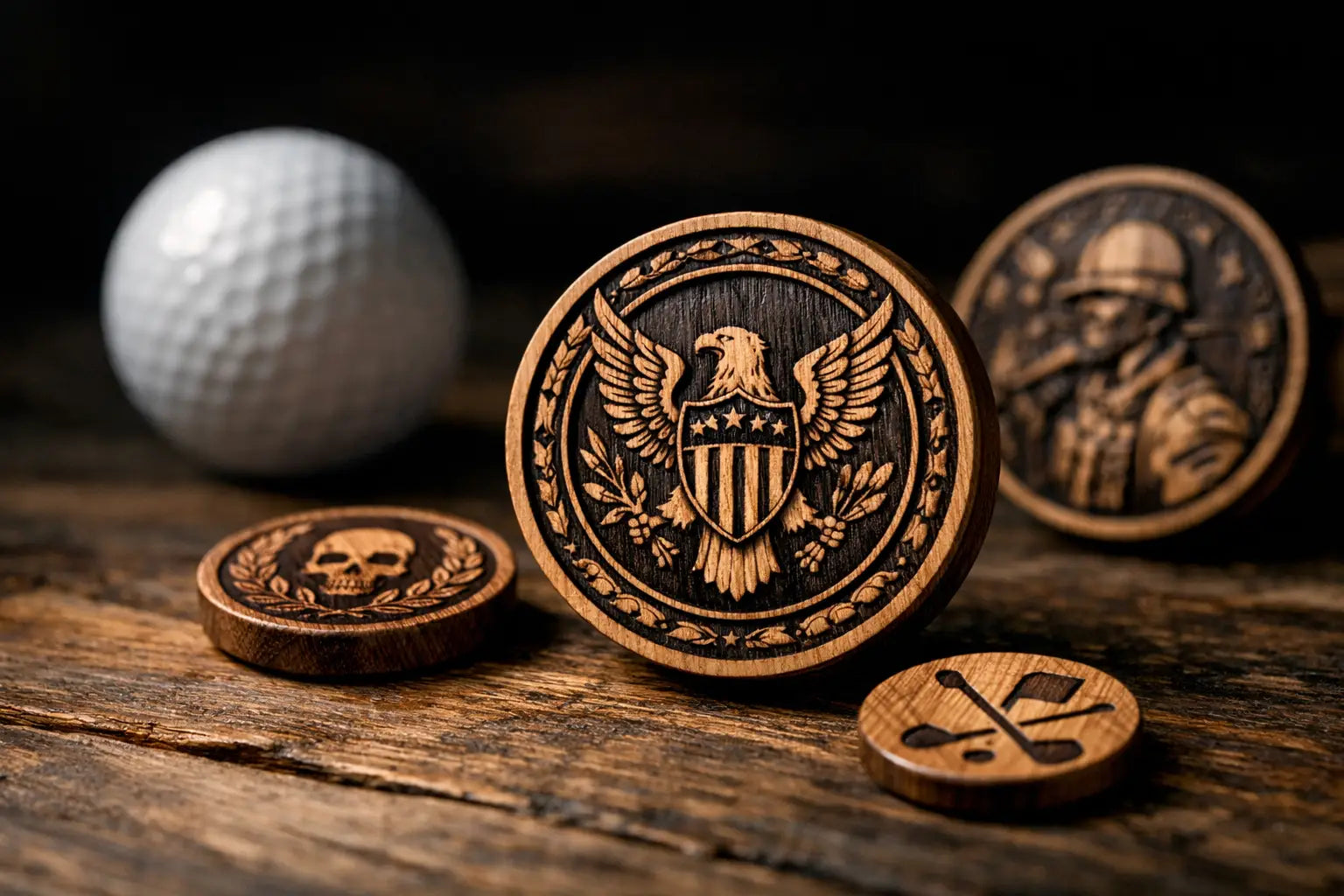
This is where craftsmanship changes the conversation. A precision-milled hardwood marker with a clean, high-resolution QR engraving does not just function well in the moment. It is engineered to stay smooth, resist visual wear, and maintain a crisp image after repeated handling and hundreds of rounds on the course. That makes it practical, but also worthy of the setting.
For a professional audience that values meaning as much as efficiency, that is hard to ignore. The Connect Series from Warfighter Markers fits this lane with discipline. It gives users a scannable networking tool and a free Connect Profile, which removes a common barrier for people who want a modern digital presence without building one from scratch.
How to choose between digital business card alternatives
Start with context. If most of your networking happens by email after an introduction, a strong signature and landing page might be enough. If you meet people in person at conferences, client meetings, tournaments, or community events, your delivery method matters more.
Then consider the standard your brand needs to uphold. Some professionals only need fast contact transfer. Others need a tool that reinforces credibility the moment it changes hands. If your work is relationship-driven, premium, or rooted in trust, the presentation is part of the message.
Finally, think about follow-up behavior. The best option is not the one with the most features. It is the one people actually use after they meet you. That usually means low friction, clear next steps, and a format they remember.
Paper cards are easy to print. Memorable connection is harder. Choose the tool that earns a second look and makes the next step effortless.